The woman responsible for Portland’s bicycle culture talks to us about entrepreneurship
By Jennifer Cloer
Sometimes you meet someone who connects on all the levels. Mia Birk and I were recently introduced by our Story Changes Culture Managing Editor Carly Driggers and quickly realized that we’re both entrepreneurs, we both work with female founders on the regular, and we’re both writers. Oh, and we’re both in the Portland area and didn’t even realize it until we started chatting.
Mia’s story blends grit, vision, and a stubborn belief that systemscan be redesigned for people. Best known as a pioneering transportation entrepreneur, she built her career at the intersection of startups, civic innovation, and culture change. She’s bringing that into her latest work with Rogue Women's Fund and a new memoir from She Writes Press.
Jennifer: Looking back on your time with Alta, what personal belief or lived experience most shaped your conviction that transportation could be more human-centered?
Mia: My career started in Washington, D.C., where I attended graduate school in international relations. The house I rented in Mt. Pleasant was a little too far to walk or take transit (to DuPont Circle); my plan was to drive, until one of my brothers jabbed that if I was so into saving the environment, I’d better practice what I preached. “Take my bike!” he insisted. Nothing Iike a little sibling ribbing to get my butt in gear, right?
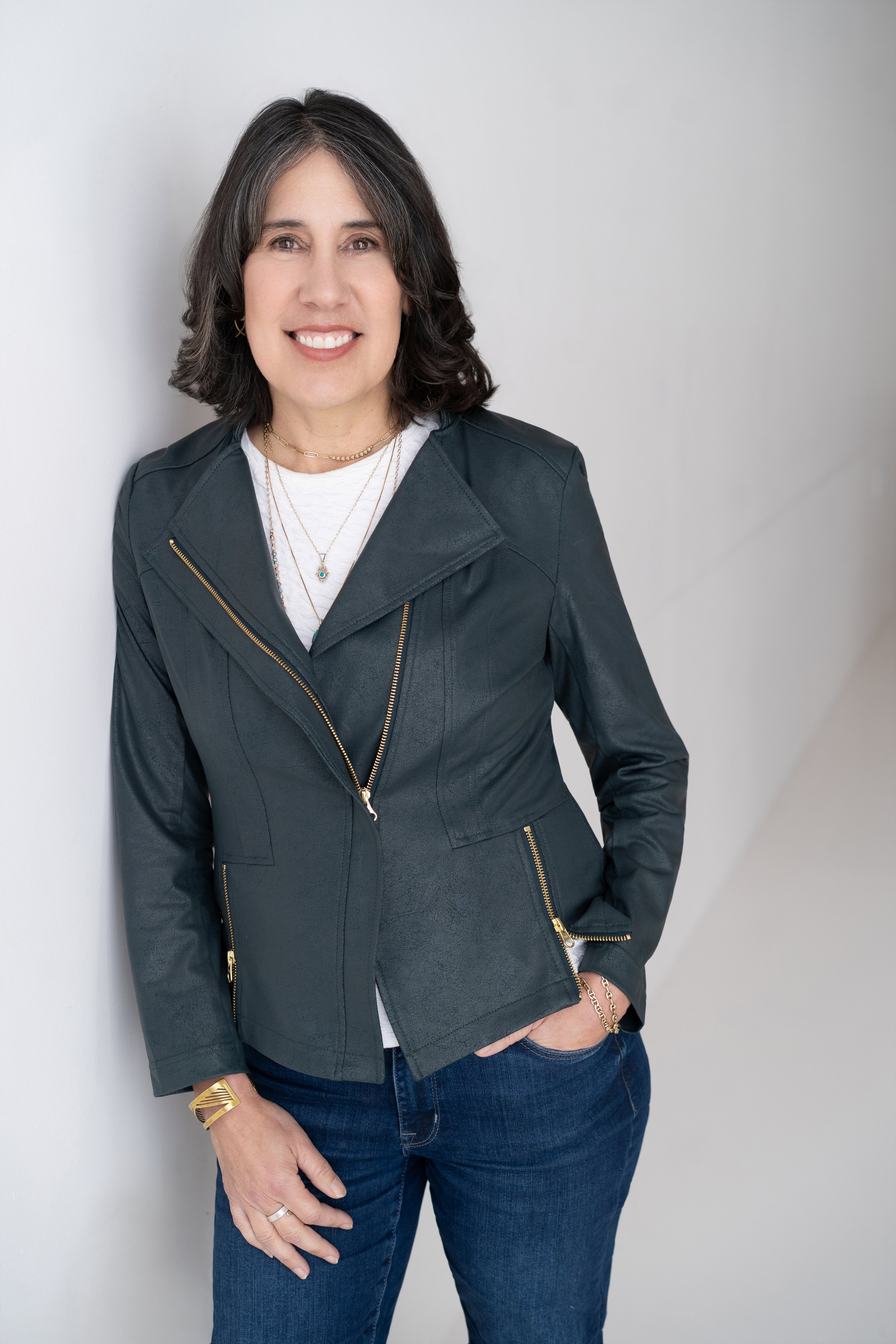
Mia Birk
Getting up the 18th St. hill was torture the first few times, easier after that, and within short order I was in great shape and had the energy to bike to and from school and work, study, entertain a houseful of people, then dance until the wee hours at the Kilimanjaro reggae bar, and happily bounce out of bed the next day. Riding dozens of miles a day, I came to see neighborhoods and transportation infrastructure with fresh eyes; on a bike, you see a rich tapestry of underlying details that govern how people get around to live, work, and play.
While bicycling for daily transportation shaped my body and thinking, it also informed my professional view. For four years, I researched transportation issues for the International Institute for Energy Conservation (IIEC). In many growing cities, I saw thick congestion and increasing health and safety problems, coupled with massive investments in road building. I also saw thriving, healthy cities built around bicycling, walking, and transit.
Those experiences led me to Portland, OR, where I served as Bicycle Program Manager in the Department of Transportation for six years. During that time, I led a group of determined visionaries who transformed Portland into a cycling mecca and inspired the nation. We installed hundreds of miles of bikeways and thousands of bike parking spaces, started encouragement programs including safe routes to school, and carefully tracked ridership numbers, which exploded thanks to the investments we made.
I took all these experiences into my firms, Alta Planning + Design (consulting) and Alta Bicycle Share, Inc. (operations), where I worked with hundreds of cities creating opportunities for people to incorporate bicycling and walking into their daily lives. During that time, I rode my bicycle to get around, taught classes in active transportation planning and design, led bike rides for visiting delegations, created encouragement programs, and taught bicycle safety. See, the more bicycle and pedestrian-friendly we make places, the more healthy, safe, and prosperous they will be.
Jennifer: As the writer behind Fabulous Female Founders, you spotlight women building in many different arenas. What patterns or shared qualities do you consistently see among women who create lasting impact, even in very different industries?
Mia: Focus, courage, determination, faith, curiosity, creativity, compassion, empathy, gratitude. An ability to see gaps and opportunities, a willingness to learn and take risks, a passion for making the world a better place.
“Riding dozens of miles a day, I came to see neighborhoods and transportation infrastructure with fresh eyes; on a bike, you see a rich tapestry of underlying details that govern how people get around to live, work, and play. ”
Jennifer: Where do you see the greatest opportunity right now for women to influence systems-level change, especially in how we live, work, or connect?
Mia: Women bring innate talents, skills, and ways of seeing that are no longer “nice to have.” They are essential. Emotional intelligence, long-term thinking, relationship-building, pattern recognition, and values-driven leadership are exactly what our organizations, economies, and communities need right now. The opportunity is to engage these superpowers with confidence and bravado in service of businesses that are both profitable and transformational.
This is where conscious capitalism comes in. No apologies. Profit and purpose are not in competition. They reinforce each other. Women have unprecedented choices in how we build and fund our work: lifestyle businesses, bootstrapped companies, debt-financed growth, angel capital, or shooting for the moon with venture backing. Doors are open. There is a lot of capital looking for smart, values-aligned leadership, and the data is clear that women-led firms outperform.
This moment is not about competing with men or replicating old systems. It is about choosing differently, building differently, and understanding the energetic flow of money so we can use it as a tool for impact. When women step fully into financial literacy, strategic choice, and unapologetic leadership, systems change follows.
Jennifer: Building something new often requires challenging entrenched norms. What’s one assumption you had to unlearn as a founder, and how did letting it go change the way you lead or create?
Mia: I had to toughen up, to let go of the idealistic notion that people are essentially good and fair and want to do good for the world and for each other. Becoming more cynical, discerning, and wise helped me understand that my goals and others’ are not the same, which in turn helped me create space for and channel gratitude for all those who do have good intentions.
Jennifer: In a moment when many people feel disconnected or overwhelmed, what practices help you stay grounded, hopeful, and oriented toward possibility?
Mia: Surrounding myself with excellent people, playing tennis, disappearing into a gorgeous novel, long walks, music, faith, writing, coaching.
Jennifer: What are you working on now that has you especially LIT UP?
Mia: I’ve been working for close to a decade on a braided business/life founder story about building the biggest thing of my career while my body quietly built something bigger. The story unfolds during my company’s punishing launch of NYC’s Citi Bike, as I navigate a pregnancy I never thought possible. It’s a candid look at the messy inner life of founders—the never-ending choices, sacrifices, and push and pull between confidence and terror, attachment and grief, joy and stress, and our responsibilities and commitments as career-loving moms.
I’m delighted to share that I will be publishing with She Writes Press, an award-winning hybrid publisher amplifying women authors, in Sept. 2027. Thus, I’m deep in my 12th draft, layering on reflections from the past decade of coaching, mentoring, advising, and investing in founders.
I’m also excited to be starting as a Venture Partner with Rogue Women’s Fund and planning a family trip to Costa Rica this summer.